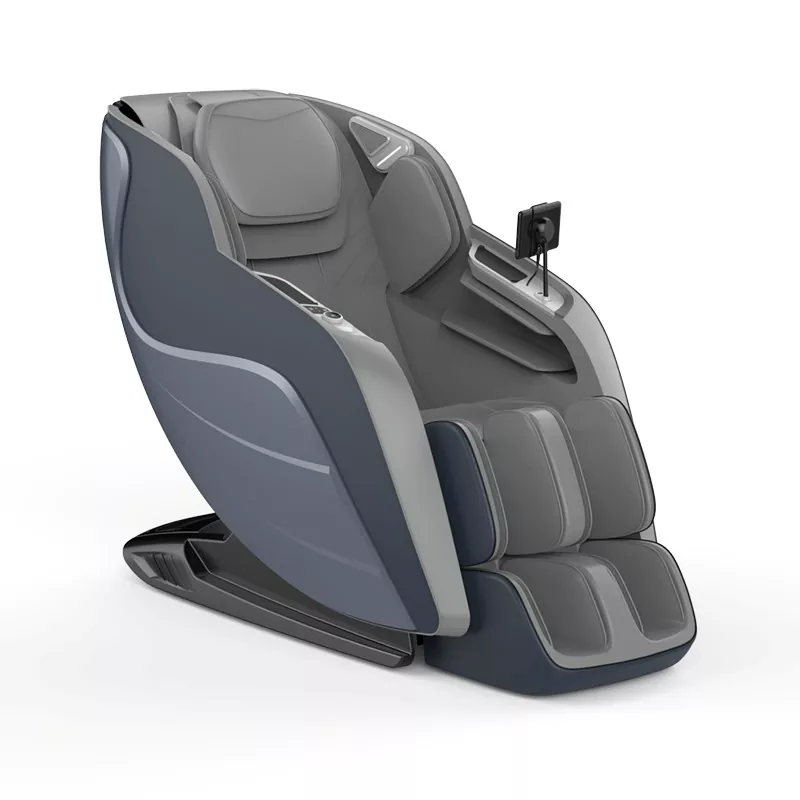
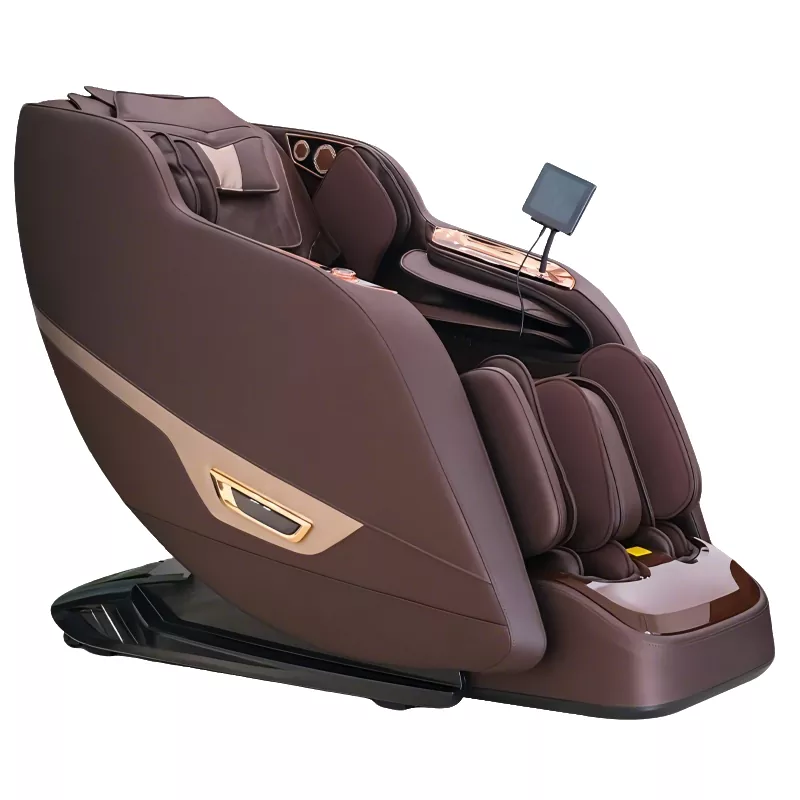
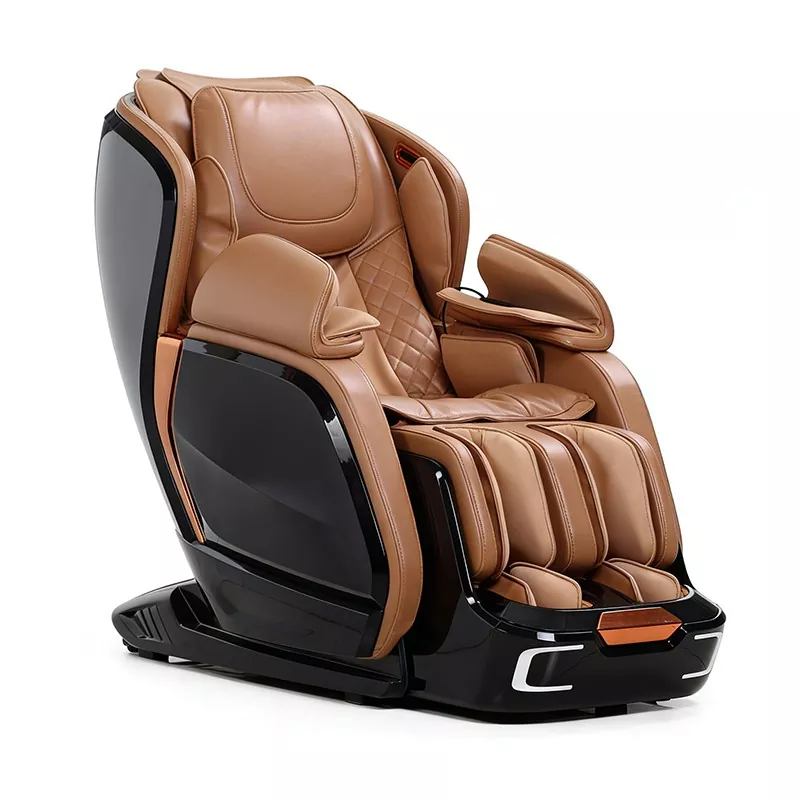
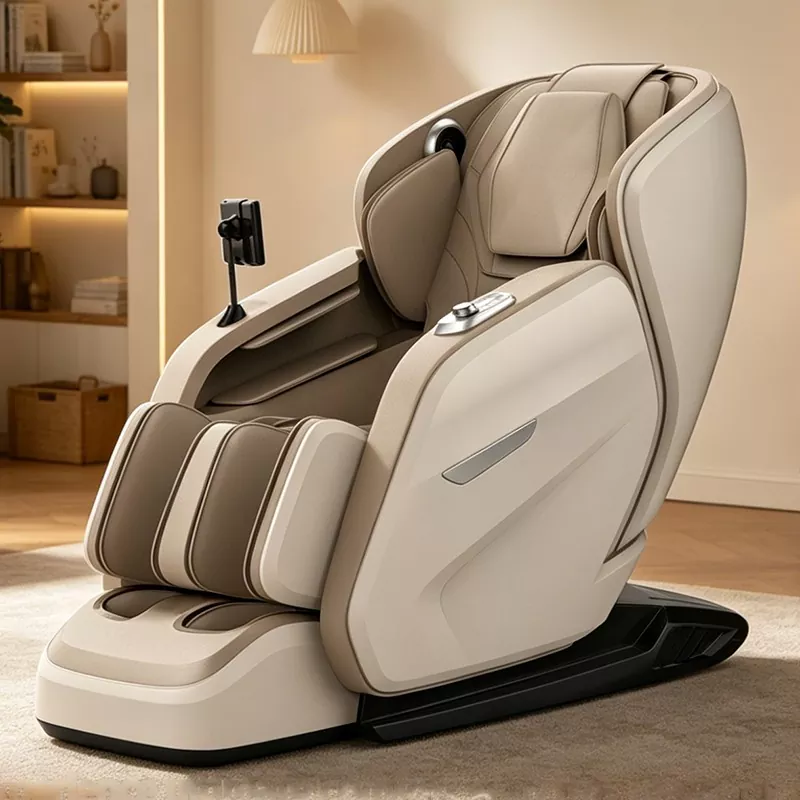
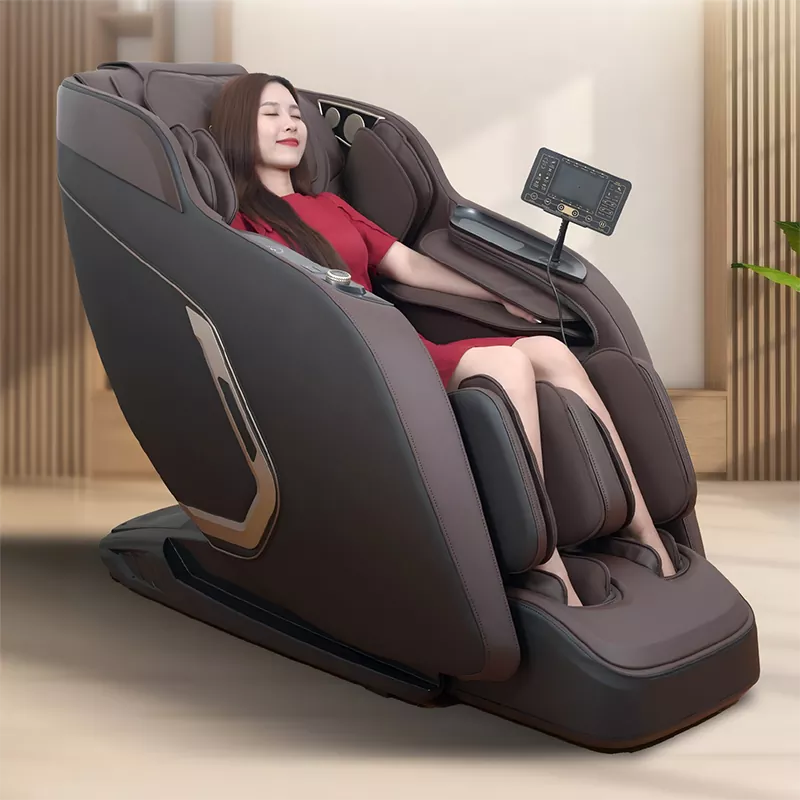
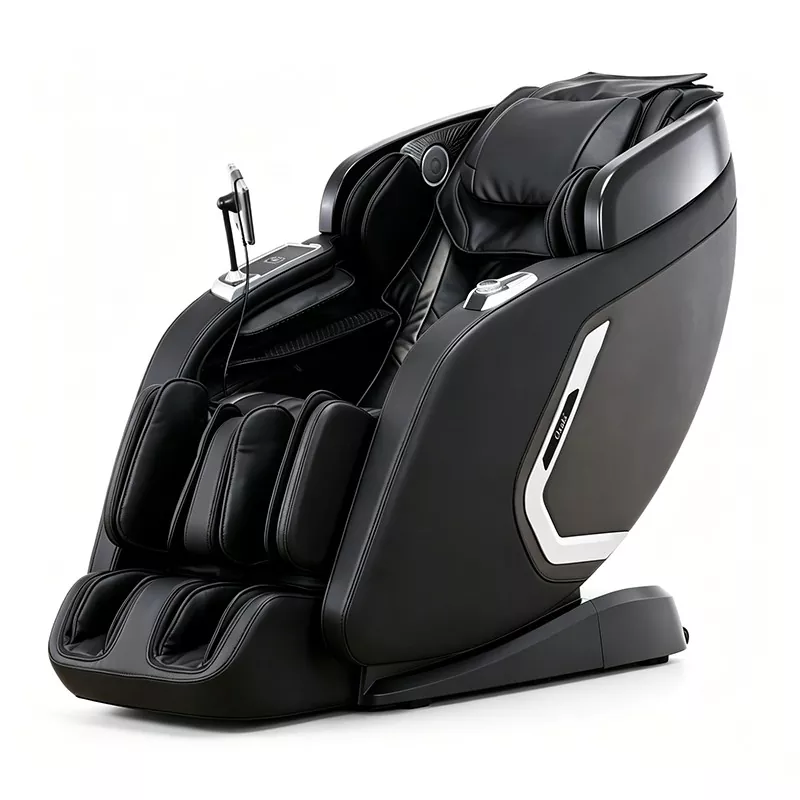
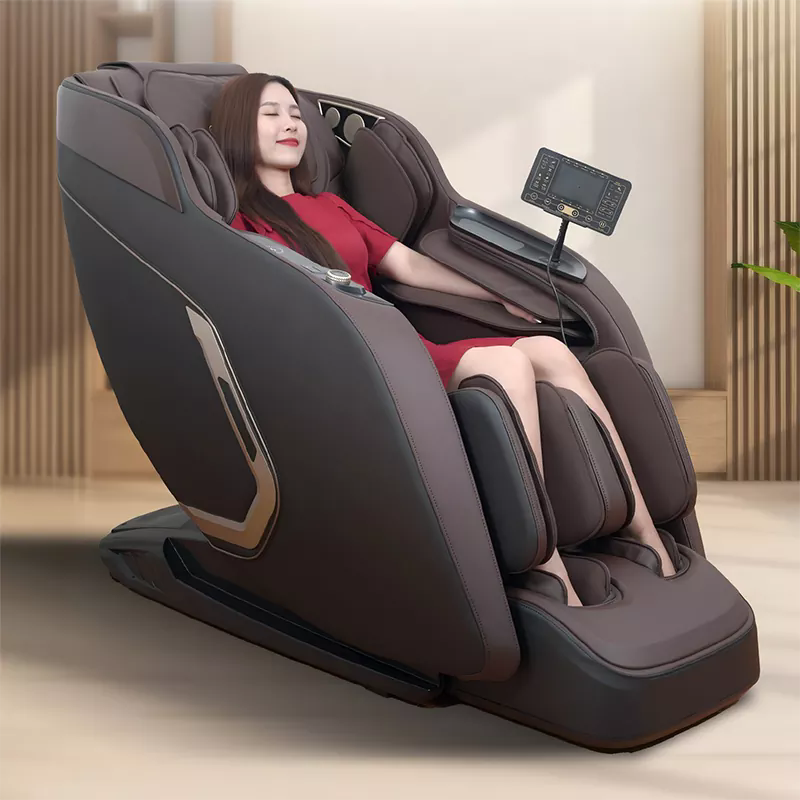
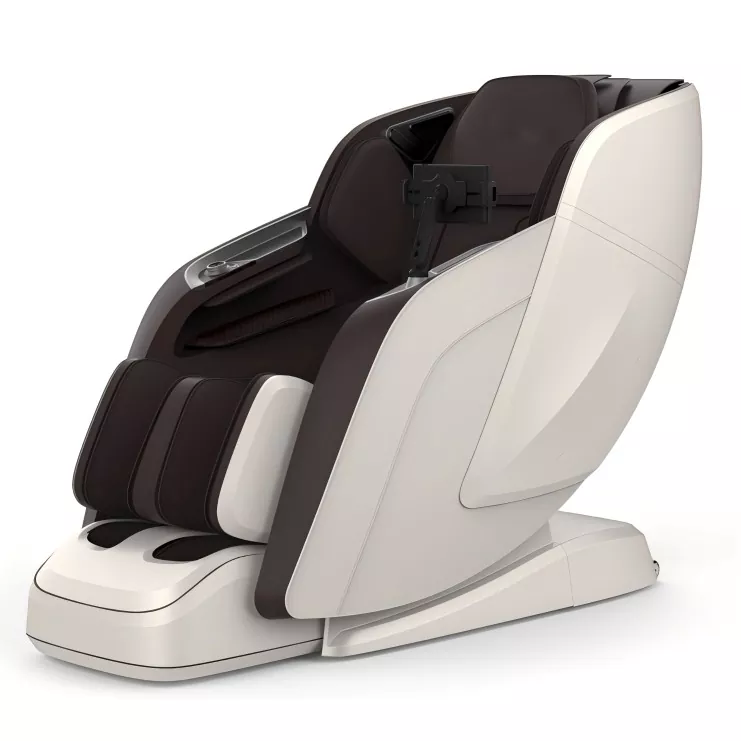
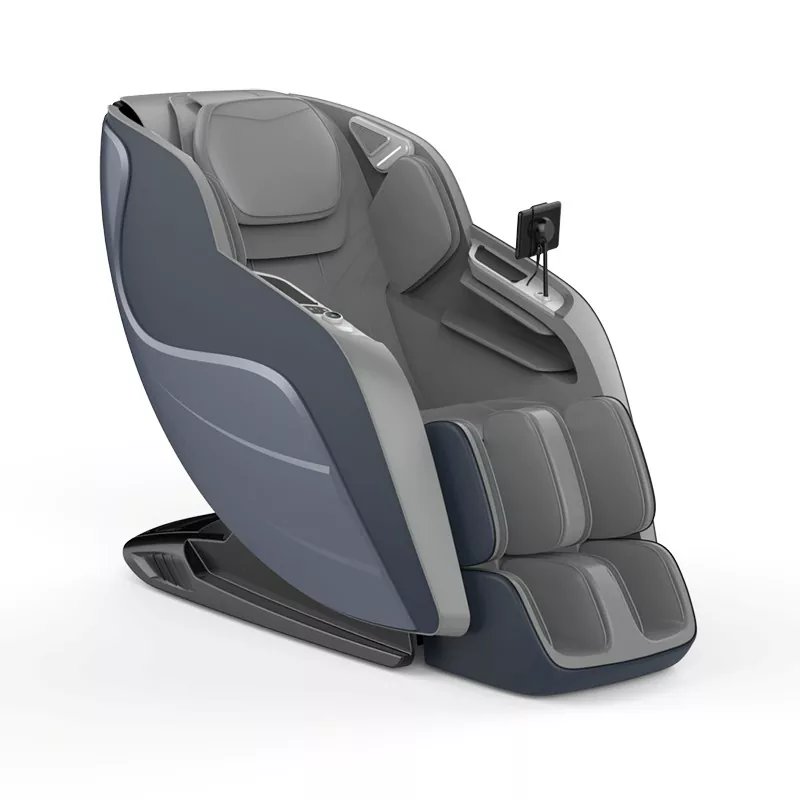
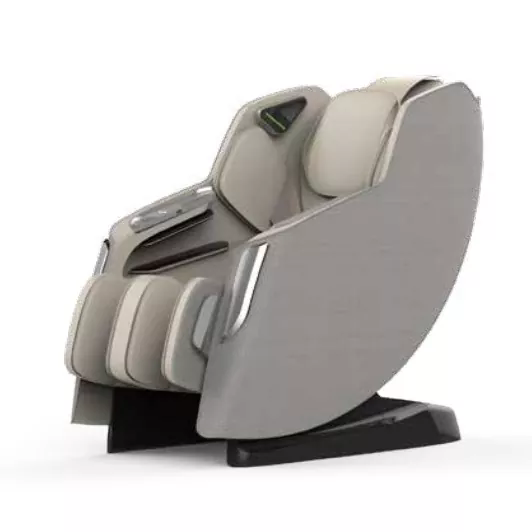
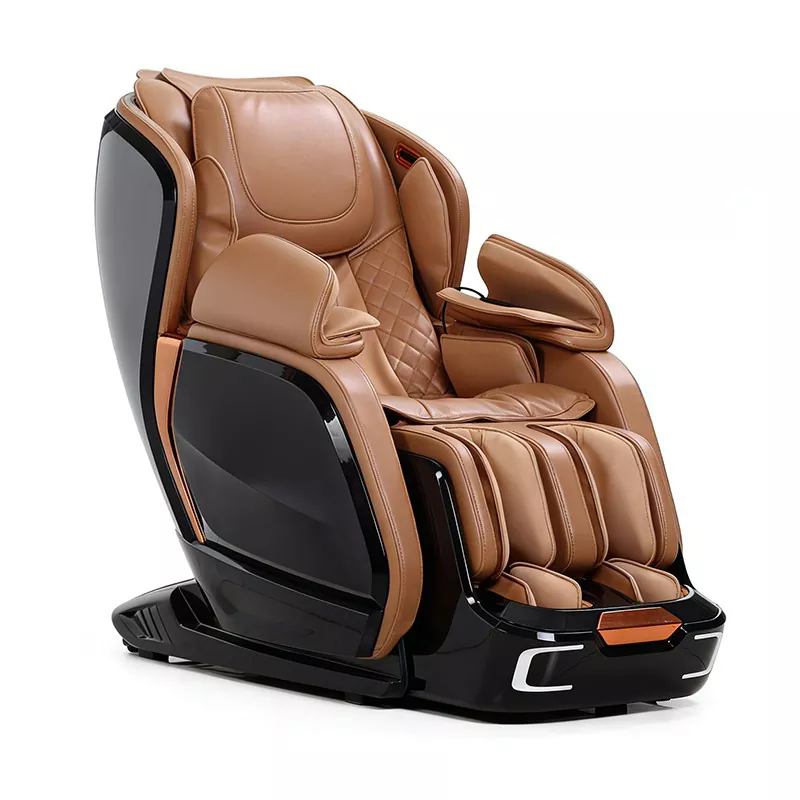
Massage chairs, once regarded as luxury items limited to high-end spas or wealthy households, have evolved into
versatile wellness solutions with a wide range of applications across residential, commercial, healthcare, and public
sectors. Their ability to deliver on-demand relaxation, pain relief, and health benefits has made them indispensable
in various scenarios. Below is a detailed breakdown of their key application scopes:
1. Residential Settings
Residential use remains the most common application of massage chairs, catering to individuals and families seeking
convenient at-home wellness.
· Home Living Spaces : Living rooms, bedrooms, or home theaters are ideal spots for massage chairs, allowing family members to unwind after
work, relieve muscle tension from daily activities, or enhance relaxation during leisure time. Compact, stylish models
fit seamlessly into modern home decor, serving as both functional wellness tools and aesthetic furniture.
· Home Offices : With the rise of remote work, more people suffer from neck, shoulder, and back pain due to prolonged sitting.
Massage chairs placed in home offices help alleviate work-related fatigue, improve posture, and boost productivity by
providing quick relaxation breaks between tasks.
· Senior Living Residences : Elderly individuals often face issues like joint stiffness, poor circulation, and muscle soreness. Massage chairs
with gentle massage modes, adjustable height, and easy-to-use controls are widely used in senior homes or retirement
communities to promote mobility, reduce discomfort, and enhance overall quality of life.
2. Commercial and Hospitality Industries
The commercial sector has increasingly adopted massage chairs to enhance customer experience, attract patrons, and
create competitive advantages.
· Hotels and Resorts : Luxury hotels, boutique resorts, and vacation rentals often equip guest rooms, spas, or lounge areas with massage
chairs to offer premium hospitality services. Guests can enjoy post-travel relaxation or in-room wellness, elevating
their stay experience and encouraging positive reviews.
· Spas, Salons, and Wellness Centers : Massage chairs complement professional massage services, serving as pre-treatment relaxation tools or standalone
offerings for clients seeking quick relief. They help spas expand their service range, reduce waiting time
frustration, and cater to customers looking for on-the-go wellness.
· Restaurants and Cafés : High-end restaurants, coffee shops, or rooftop bars may install massage chairs in waiting areas or VIP sections to
enhance customer comfort, differentiate their brand, and encourage longer stays.
· Shopping Malls and Retail Stores : Some shopping malls and large retail outlets place massage chairs in rest zones, allowing shoppers to relax after
hours of walking. This not only improves customer satisfaction but also increases foot traffic and dwell time in the
venue.
3. Healthcare and Rehabilitation Facilities
Massage chairs have gained recognition in the healthcare field for their therapeutic benefits, supporting recovery and
improving patients’ physical well-being.
· Hospitals and Clinics : Physical therapy departments, rehabilitation centers, and pain management clinics use massage chairs as auxiliary
treatment tools. They help patients with chronic pain (e.g., back pain, arthritis), post-surgery recovery, or muscle
injuries by promoting blood circulation, reducing inflammation, and relieving muscle spasms.
· Chiropractic Offices : Chiropractors often recommend massage chairs to patients as part of a holistic treatment plan, helping to relax
muscles before adjustments and maintain spinal health between visits.
· Nursing Homes and Assisted Living Facilities : In addition to senior living residences, nursing homes use massage chairs to assist caregivers in providing comfort
to elderly residents with limited mobility. The chairs help reduce pressure sores, improve sleep quality, and
alleviate symptoms of age-related conditions like dementia or Parkinson’s disease.
4. Corporate and Workplace Environments
Forward-thinking companies are integrating massage chairs into workplaces to prioritize employee health, reduce
stress, and boost morale.
· Corporate Offices : Modern offices, especially tech firms, startups, and large enterprises, often feature wellness rooms equipped with
massage chairs. Employees can use them during breaks to relieve work stress, reduce burnout, and improve mental focus,
leading to higher job satisfaction and retention rates.
· Co-working Spaces : Co-working facilities use massage chairs as a value-added amenity to attract freelancers, entrepreneurs, and remote
workers. The wellness offering differentiates co-working spaces from traditional offices and fosters a more balanced,
productive work environment.
· Employee Lounges and Break Rooms : Even small to medium-sized businesses may install massage chairs in break rooms, allowing employees to recharge
during lunch breaks or after intense work sessions. This simple investment can significantly improve team productivity
and overall workplace culture.
5. Public and Transportation Hubs
Massage chairs are increasingly appearing in public spaces to provide convenience and relaxation for people on the
move.
· Airports and Train Stations : Many airports and high-speed rail stations have installed coin-operated or app-enabled massage chairs in waiting
areas. Travelers can use them to relax during long layovers or after tiring journeys, reducing travel-related stress
and discomfort.
· Bus Terminals and Ferry Ports : Similar to airports, bus and ferry terminals use massage chairs to enhance passenger experience, making waiting
times more pleasant and reducing fatigue from long-distance travel.
· Gyms and Fitness Centers : Gyms, fitness studios, and sports clubs often place massage chairs in locker rooms or recovery areas. Athletes and
fitness enthusiasts use them to relieve post-workout muscle soreness, accelerate recovery, and prevent injuries.
6. Educational Institutions
Educational settings are also embracing massage chairs to support the well-being of students and staff.
· University Campuses : Some universities have installed massage chairs in student lounges, libraries, or wellness centers. They help
students relieve stress from exams, long study sessions, and academic pressure, promoting mental health and academic
performance.
· Schools and Colleges : Teachers often suffer from fatigue due to standing for long hours and administrative work. Massage chairs in staff
rooms can help educators relax, reduce stress, and maintain their physical health.
7. Specialized Settings
· Sports Teams and Training Facilities : Professional sports teams, athletic training centers, and gyms for elite athletes use high-performance massage
chairs with specialized modes (e.g., deep tissue massage, sports recovery programs). These chairs help athletes
recover faster from intense training or competitions, reduce muscle fatigue, and enhance athletic performance.
· Mental Health Clinics and Wellness Retreats : Mental health facilities and wellness retreats use massage chairs as part of stress management and mindfulness
programs. The relaxation induced by massage helps reduce anxiety, improve mood, and support emotional well-being.
In summary, the application scope of massage chairs continues to expand as their functionality, accessibility, and
therapeutic benefits gain widespread recognition. From personal homes to commercial venues, healthcare facilities, and
public spaces, massage chairs have become a versatile tool for promoting relaxation, health, and overall well-being
across diverse scenarios.
We use cookies to offer you a better browsing experience, analyze site traffic and personalize content. By using this site, you agree to our use of cookies. Privacy Policy