
Article Summary: A QR Code Payment Support Vending Massage Chair combines automated massage services with cashless digital payment technology, allowing businesses to provide convenient relaxation while creating an additional revenue channel. This article explains how the system works, what operators should consider before deployment, how QR payments improve customer convenience, and why commercial-grade design, payment compatibility, space efficiency, maintenance, and customization matter when selecting equipment. It also examines practical applications in airports, shopping malls, hotels, offices, gyms, entertainment venues, and other high-traffic locations. ZHOUQI provides commercial vending massage chair solutions designed around unattended operation, digital payment integration, user comfort, and long-term business use.
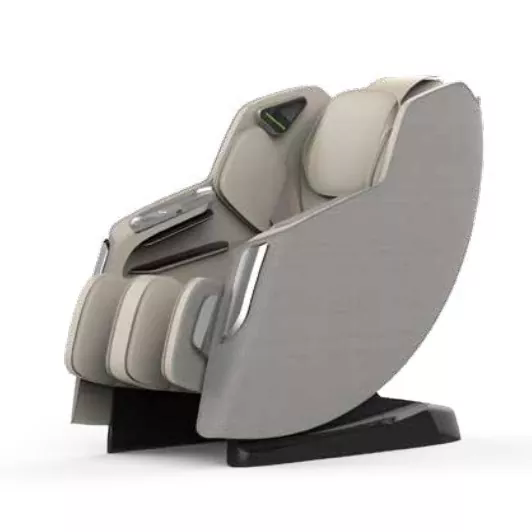
Table of Contents
- Introduction
- Article Outline
- What Is a QR Code Payment Support Vending Massage Chair?
- How Does the Payment and Massage Process Work?
- What Business Problems Can It Solve?
- Key Features to Evaluate Before Purchase
- Why QR Code Payment Integration Matters
- Why Commercial-Grade Design Is Important
- How Space-Efficient Design Improves Placement
- Where Can Vending Massage Chairs Be Used?
- How Can Operators Build a Practical Revenue Model?
- Maintenance and Daily Operation Considerations
- How to Choose the Right Vending Massage Chair
- Why Consider ZHOUQI?
- Frequently Asked Questions
- Conclusion
Introduction
Public spaces are constantly looking for practical ways to improve customer experience while making better use of available floor space. At the same time, consumers increasingly expect fast, convenient, and cashless services. These two trends create an opportunity for automated wellness equipment.
A QR Code Payment Support Vending Massage Chair is designed to meet both requirements. Instead of relying on an employee to operate a massage service, users can approach the chair, select a session, complete payment through a supported QR code payment method, and enjoy a massage with minimal assistance.
For operators, the concept is attractive because the equipment can turn an otherwise unused area into a self-service amenity. For customers, the appeal comes from immediate access to relaxation without appointments or complicated procedures.
However, choosing a vending massage chair is not simply a matter of purchasing a massage chair with a payment scanner. Operators need to consider payment reliability, mechanical durability, user experience, placement requirements, cleaning, maintenance, pricing flexibility, and after-sales support.
This guide explains these factors in practical terms and shows how a properly designed solution from ZHOUQI can fit different commercial environments.
Article Outline
- Understand the structure and operating principle of a QR-enabled vending massage chair.
- Identify common operational challenges in unattended wellness services.
- Evaluate payment technology, massage functions, durability, and space requirements.
- Compare different commercial application environments.
- Develop a realistic approach to pricing, usage, and revenue management.
- Understand maintenance and support requirements.
- Use a practical checklist when selecting a supplier and machine.
What Is a QR Code Payment Support Vending Massage Chair?
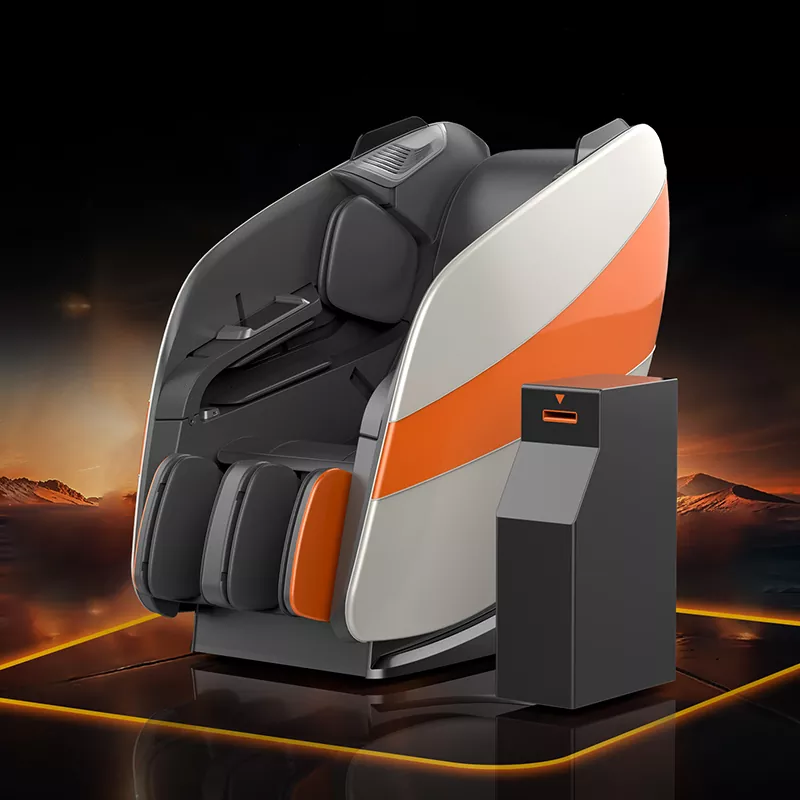
A QR Code Payment Support Vending Massage Chair is a commercial self-service massage system that combines massage functionality with a digital payment interface. A customer does not need an operator to start the service. Instead, the customer follows the payment instructions displayed by the machine, scans the relevant QR code, completes the transaction, and activates the selected massage session.
The concept is particularly suitable for locations where people have waiting time or need a short break. Airports, shopping centers, hotels, cinemas, transportation terminals, offices, gyms, entertainment venues, and wellness facilities can all potentially benefit from this type of equipment.
The difference between a conventional massage chair and a vending massage chair is therefore not limited to the massage mechanism. A commercial vending model must also consider payment control, session management, unattended operation, durability, user guidance, and operational monitoring.
For businesses, this makes the chair a combination of a wellness service device and a self-service commercial terminal.
How Does the Payment and Massage Process Work?
The operating process should be simple enough for a first-time user to understand without staff assistance. A typical customer journey can be divided into several stages.
- Approach: The customer notices the chair and reviews the available massage services.
- Selection: The user chooses a massage mode, session duration, or available service package.
- Payment: The user scans the displayed QR code using a compatible smartphone payment application.
- Verification: The payment platform confirms the transaction.
- Activation: The chair receives the authorization signal and starts the selected session.
- Massage: The user receives the programmed massage service.
- Completion: The session ends automatically, allowing the chair to become available for the next customer.
This automated sequence reduces the need for an employee to collect cash, operate the controls, or manually start every session. It can therefore be particularly useful in facilities where staffing resources are limited.
What Business Problems Can It Solve?
Many businesses want to add customer amenities but face practical challenges. A vending massage chair can address several of these issues at the same time.
Reducing Dependence on Staff
Traditional paid massage services generally require an employee, reception desk, or dedicated service area. A self-service vending chair can significantly reduce the amount of routine interaction required for each transaction.
Supporting Cashless Consumer Behavior
Many customers prefer smartphone payments instead of carrying coins or banknotes. QR payment provides a familiar transaction method and can reduce the inconvenience associated with cash collection.
Making Use of Small Spaces
Retail and transportation facilities often have valuable floor space that cannot accommodate a large service operation. A compact vending massage chair can potentially generate value from areas such as waiting zones, corridors, lounges, and unused corners.
Creating an Additional Service
A massage chair can function as an additional amenity rather than replacing the core business of the venue. A hotel can provide relaxation for guests, an airport can serve travelers during waiting periods, and a shopping center can offer visitors a convenient break.
Key Features to Evaluate Before Purchase
Not every vending massage chair is equally suitable for commercial deployment. Buyers should evaluate the complete system rather than focusing on appearance alone.
| Evaluation Area | What to Consider | Why It Matters |
|---|---|---|
| Payment System | QR payment compatibility and transaction control | Determines how easily customers can pay and activate sessions |
| Massage Mechanism | Track structure, massage techniques, and movement range | Influences customer satisfaction and repeat use |
| Commercial Durability | Frame, motors, electronics, upholstery, and high-cycle components | Important for frequent public use |
| Space Requirement | Chair dimensions and wall clearance | Determines where the equipment can be installed |
| Controls | Buttons, display, voice guidance, or other interfaces | Improves ease of use for different customer groups |
| Maintenance | Access to wear parts and service information | Helps reduce downtime |
| Customization | Branding, language, payment configuration, and appearance | Allows the equipment to match different markets and business models |
Why Does QR Code Payment Integration Matter?
Payment is one of the most important components of an unattended vending system. A customer may be interested in using the chair, but a complicated or unreliable payment process can immediately reduce conversion.
QR code payment offers several practical advantages:
- Fast transactions: Customers can use a smartphone rather than search for coins or cash.
- Contactless operation: The customer can complete the transaction without exchanging physical currency.
- Simple user journey: A clearly displayed QR code can guide the customer through payment.
- Flexible pricing: Operators can establish different prices for different session lengths or service packages.
- Digital records: Depending on the payment architecture, transaction information can support business analysis and reconciliation.
Payment compatibility should nevertheless be evaluated according to the target market. Payment platforms, merchant accounts, settlement rules, currencies, and regulatory requirements vary between countries. A responsible supplier should help the buyer understand which payment solution is appropriate for the intended market instead of assuming that one configuration works everywhere.
Why Is Commercial-Grade Design Important?
A massage chair installed in a private home may be used by a small number of people each day. A vending chair in a shopping mall, airport, hotel, or entertainment venue can experience significantly more frequent use.
This difference affects equipment selection.
Commercial users should pay attention to structural strength, motor reliability, control electronics, upholstery durability, moving components, airbag systems, and access to replacement parts. The machine should also be designed for repeated customer interaction rather than occasional household use.
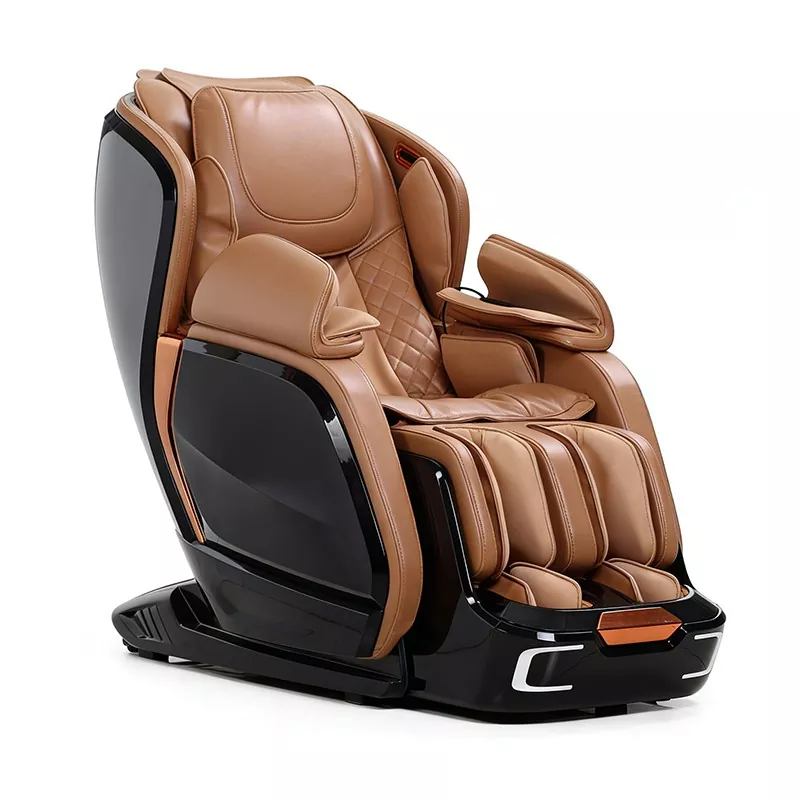
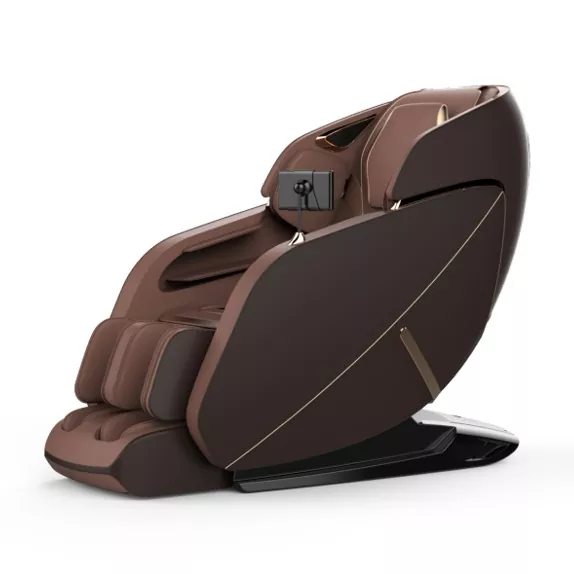
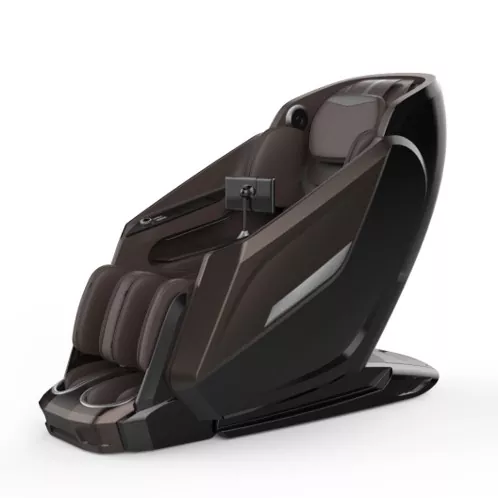
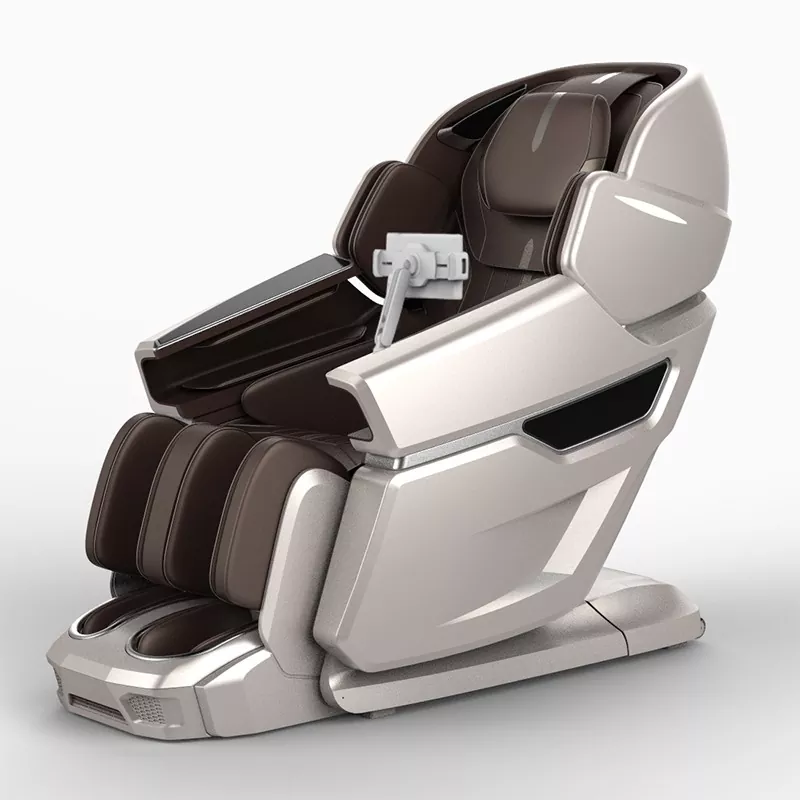
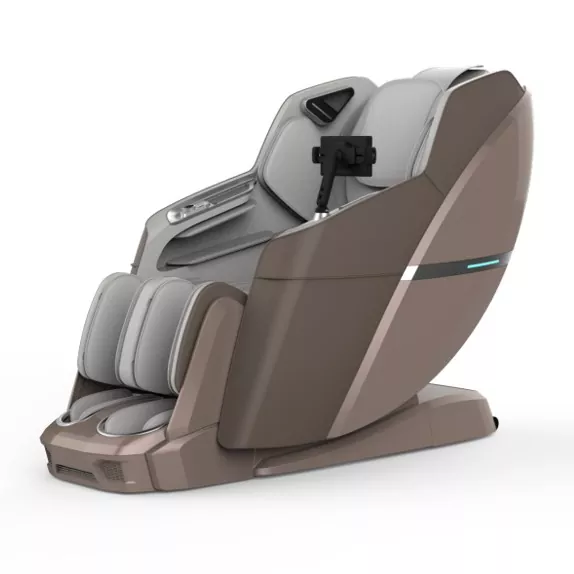
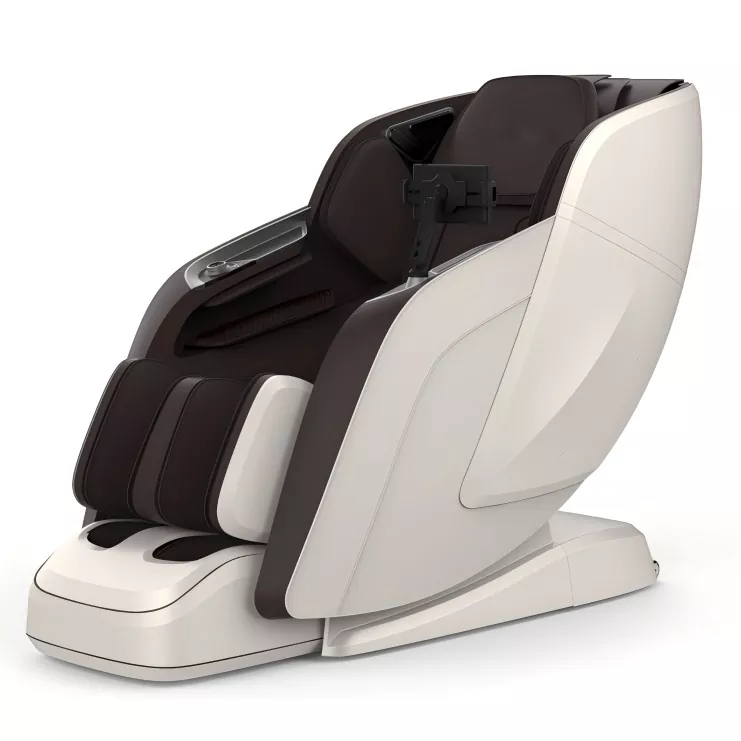
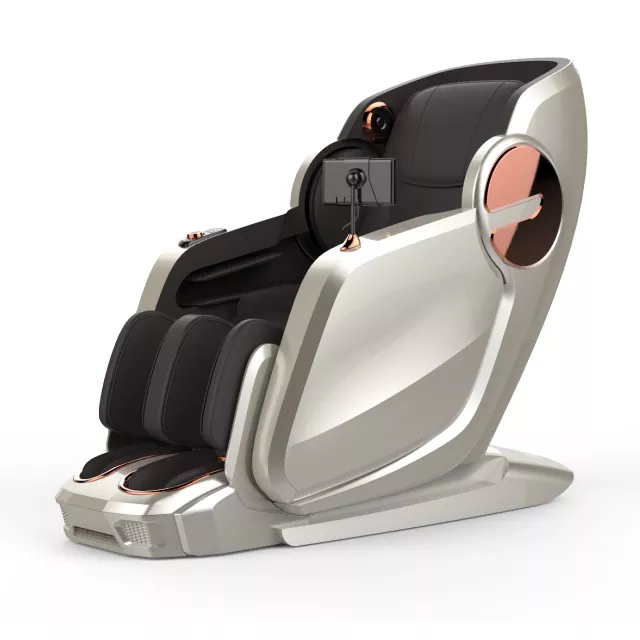
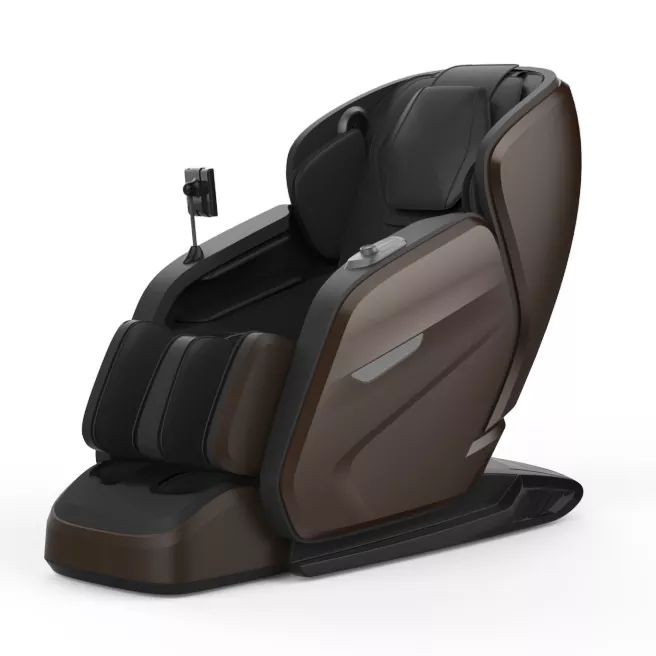
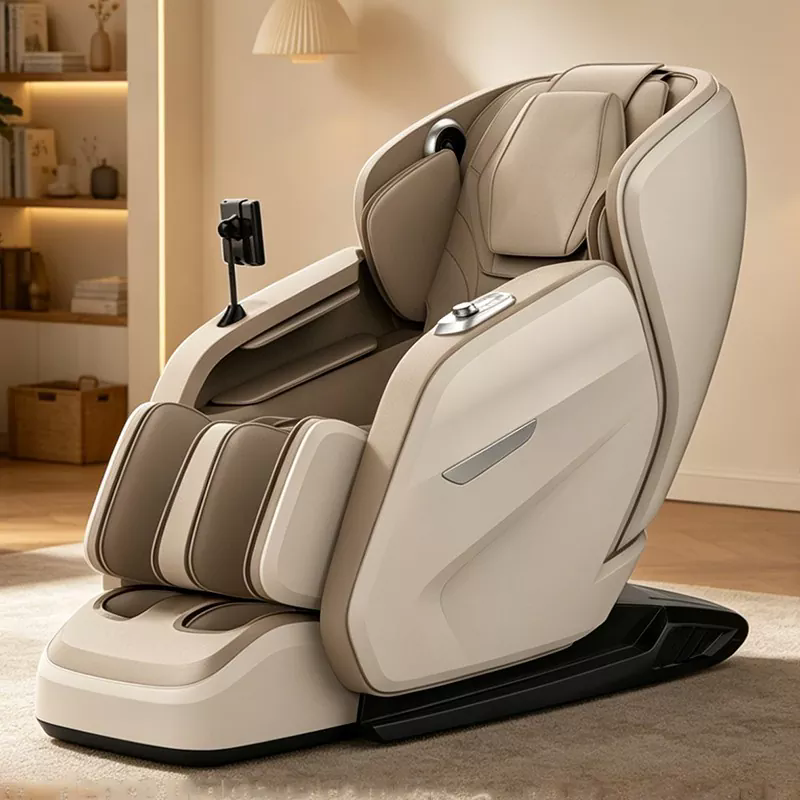
ZHOUQI's QR Code Payment Support Vending Massage Chair is presented as a commercial-oriented solution, with features designed for unattended operation and public environments. The product information specifies a double-chute-guide SL-Track with a 1350 mm track length, a 2D massage mechanism, automatic body detection, multiple automatic programs, airbag massage, waist heating, and zero-gravity adjustment.
For operators, the important principle is to match machine construction with expected usage. A lower initial price does not necessarily mean a lower total operating cost if frequent failures, difficult servicing, or premature component replacement interrupt revenue-generating operation.
How Does Space-Efficient Design Improve Placement?
Floor space is a major consideration in commercial environments. A business may have a high-traffic area that is suitable for a massage chair but limited clearance around walls or other equipment.
A space-efficient design can expand the number of potential installation locations.
According to the product specifications provided by ZHOUQI, the chair uses a space-saving design that can slide close to the wall, with a stated minimum distance of approximately 15 cm in the relevant configuration. Its upright dimensions are listed as approximately 1500 × 795 × 1200 mm, while the reclined dimensions are approximately 1650 × 790 × 900 mm.
Actual installation should always be checked against the final technical documentation, local safety requirements, surrounding obstacles, electrical access, customer circulation, and emergency pathways.
Where Can Vending Massage Chairs Be Used?
The strongest application environments generally share one characteristic: customers have available waiting or leisure time.
- Airports: Travelers often have waiting periods before boarding and may welcome a short massage.
- Railway and bus stations: Passengers can use the service while waiting for transportation.
- Shopping malls: Shoppers can take a break without leaving the retail environment.
- Hotels: A vending massage chair can add a self-service wellness amenity to a lobby or lounge.
- Cinemas: Customers may use the chair before a screening or while waiting.
- Office buildings: Employees and visitors can access short relaxation sessions.
- Gyms: Massage services can complement fitness and recovery-oriented facilities.
- Entertainment venues: Amusement parks, leisure centers, and family entertainment locations can use chairs in designated relaxation zones.
- Waiting areas: Clinics, service centers, and other facilities may use them where appropriate and permitted.
The ideal location is not necessarily the busiest location. A better site is one where traffic is high enough to create demand, people naturally pause, the chair is visible, and the surrounding space allows safe and comfortable use.
How Can Operators Build a Practical Revenue Model?
A vending massage chair should be evaluated as a small commercial service unit. Before installation, operators should estimate potential demand instead of assuming that high foot traffic automatically produces high usage.
A simple planning model can consider:
- Average number of potential users passing the installation area.
- Expected percentage of visitors who notice the chair.
- Expected percentage who purchase a session.
- Average price per session.
- Average session duration.
- Daily operating hours.
- Revenue-sharing or rental costs associated with the location.
- Electricity, cleaning, maintenance, payment processing, logistics, and other operating expenses.
The basic revenue concept can be expressed as:
Estimated Daily Revenue = Number of Paid Sessions × Average Price Per Session
For a more realistic business assessment, operators should then subtract location fees, payment charges, maintenance costs, taxes where applicable, and other expenses.
This approach is more useful than relying solely on advertised revenue claims because actual performance depends heavily on location, pricing, customer demographics, visibility, machine availability, and local payment behavior.
What Maintenance and Daily Operation Should Be Considered?
Unattended does not mean maintenance-free. A successful vending massage chair program still requires a basic operational routine.
- Clean contact surfaces regularly: Public-use upholstery and surfaces should be cleaned according to the manufacturer's recommended procedure.
- Inspect moving components: Operators should monitor unusual sounds, vibration, or movement.
- Check the payment interface: The QR payment area should remain visible, readable, and functional.
- Monitor customer feedback: Repeated complaints may indicate an operational or usability problem.
- Inspect electrical connections: Equipment should be checked according to appropriate safety procedures.
- Replace wear components when necessary: Early replacement can help prevent longer periods of downtime.
- Maintain service records: Recording inspections and repairs helps operators identify recurring problems.
ZHOUQI's product information recommends routine mechanical checks and indicates that common wear parts are designed to be accessible for replacement. Operators should follow the final maintenance documentation supplied with the purchased model.
How Can You Choose the Right Vending Massage Chair?
Before purchasing a QR Code Payment Support Vending Massage Chair, buyers should create a selection checklist that covers both customer experience and business operation.
| Question | What a Buyer Should Confirm |
|---|---|
| Is the payment system suitable for the target market? | Confirm supported payment providers, settlement method, merchant account requirements, and local compatibility. |
| Is the machine designed for commercial use? | Ask about expected operating conditions, component durability, and testing procedures. |
| Will it fit the installation site? | Check upright and reclined dimensions, wall clearance, access routes, and power supply. |
| Is the user interface easy to understand? | Review payment instructions, massage selection, pricing display, controls, and language options. |
| Can the machine be customized? | Confirm options for branding, upholstery, software interface, language, and configuration. |
| What happens when a problem occurs? | Check spare-parts availability, technical support, manuals, troubleshooting resources, and warranty terms. |
| Can the equipment support future expansion? | Consider whether the supplier can provide additional units, OEM/ODM services, and consistent replacement parts. |
Why Consider ZHOUQI?
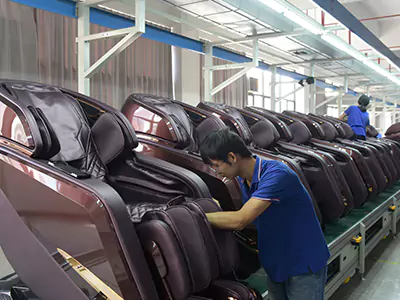
ZHOUQI focuses on massage chair manufacturing and provides solutions for both home-use and commercial applications. Its QR Code Payment Support Vending Massage Chair is designed around the needs of unattended commercial operation.
The product specification includes several features that may be relevant to operators:
- Integrated QR code payment functionality.
- 2D massage mechanism with kneading, tapping, rolling, shiatsu, and combination functions.
- 1350 mm double-chute-guide SL-Track configuration.
- Automatic body detection.
- Multiple automatic massage programs with memory functionality.
- Airbag massage for shoulders, arms, and legs.
- Calf roller functionality.
- Waist heating.
- Electric zero-gravity adjustment.
- Space-saving placement design.
- Wide-voltage configurations listed for AC 110V, 220V, and 240V applications.
ZHOUQI also offers OEM/ODM possibilities for businesses that require customized branding, colors, upholstery, language interfaces, payment configurations, or feature combinations. For distributors and operators, direct communication with the manufacturer can simplify discussions around product configuration, logistics, technical requirements, and future supply.
As with any commercial equipment investment, buyers should request current specifications, certifications applicable to their destination market, payment-system compatibility information, warranty terms, spare-parts policies, and final quotations before placing an order.
Frequently Asked Questions
Can a QR Code Payment Support Vending Massage Chair operate without staff?
Yes. The basic concept is designed for self-service operation. Customers can complete payment and activate a massage session without an employee manually starting the chair. However, operators still need to handle cleaning, maintenance, payment-account management, and occasional technical service.
What payment platforms can be used?
Available payment platforms depend on the configuration and target market. QR payment systems can be connected with appropriate mobile wallets or local payment providers. Buyers should confirm compatibility with their intended country and merchant-account structure before ordering.
Can the price and session duration be customized?
Depending on the payment and management configuration, operators can establish different session durations and pricing structures. The exact customization options should be confirmed with the supplier for the selected model.
Where is the best place to install a vending massage chair?
Locations with steady foot traffic and natural waiting time are generally attractive. Airports, shopping centers, hotels, gyms, entertainment venues, transportation terminals, and office buildings are common examples. Visibility, privacy, electrical access, safety, and customer circulation should also be considered.
Does a vending massage chair require regular maintenance?
Yes. Even automated equipment requires cleaning, inspection, and periodic maintenance. The frequency depends on usage intensity and the manufacturer's maintenance recommendations.
Is a vending massage chair suitable for international markets?
It can be, but international buyers should verify electrical requirements, payment compatibility, local product regulations, safety requirements, language configuration, logistics, and after-sales support before deployment.
Can ZHOUQI provide OEM or ODM services?
ZHOUQI provides OEM/ODM services for suitable projects, including options related to branding, color, upholstery, software configuration, language, and feature selection. Specific customization requirements should be discussed before production.
How should buyers evaluate the return potential?
Buyers should estimate expected paid sessions, average session price, location costs, payment fees, maintenance, electricity, taxes, and other expenses. Testing demand at a carefully selected location can provide more reliable information than relying on general market assumptions.
Conclusion
A QR Code Payment Support Vending Massage Chair can transform a simple relaxation service into a convenient self-service business solution. By combining digital payment, automated session activation, commercial massage functionality, and space-efficient placement, it can serve customers while reducing the operational workload associated with conventional staffed services.
The most important decision is not simply choosing a chair with a QR code. Operators should evaluate the entire commercial system, including payment reliability, mechanical performance, user experience, placement requirements, maintenance accessibility, customization options, technical support, and long-term supply capability.
For high-traffic businesses, distributors, hospitality operators, wellness facilities, and other organizations exploring automated massage services, working with an experienced manufacturer can make the process easier from product selection through deployment.
Looking for a QR Code Payment Support Vending Massage Chair for your business, distribution network, or OEM/ODM project? Contact ZHOUQI today to discuss your application requirements, payment configuration, customization options, and commercial massage chair solution. Contact us to request product details and start building your automated wellness service.